

As the world becomes more conscious of environmental impacts, renewable energy has emerged as a popular alternative to traditional fossil fuels. From residential homes to large-scale commercial buildings, more Australians are turning to solar panels, wind turbines, and other clean energy solutions to power their properties.
But is renewable energy right for everyone? Below, we explore the key advantages and disadvantages of renewable energy to help you make an informed decision.
But is renewable energy right for everyone? Below, we explore the key advantages and disadvantages of renewable energy to help you make an informed decision.
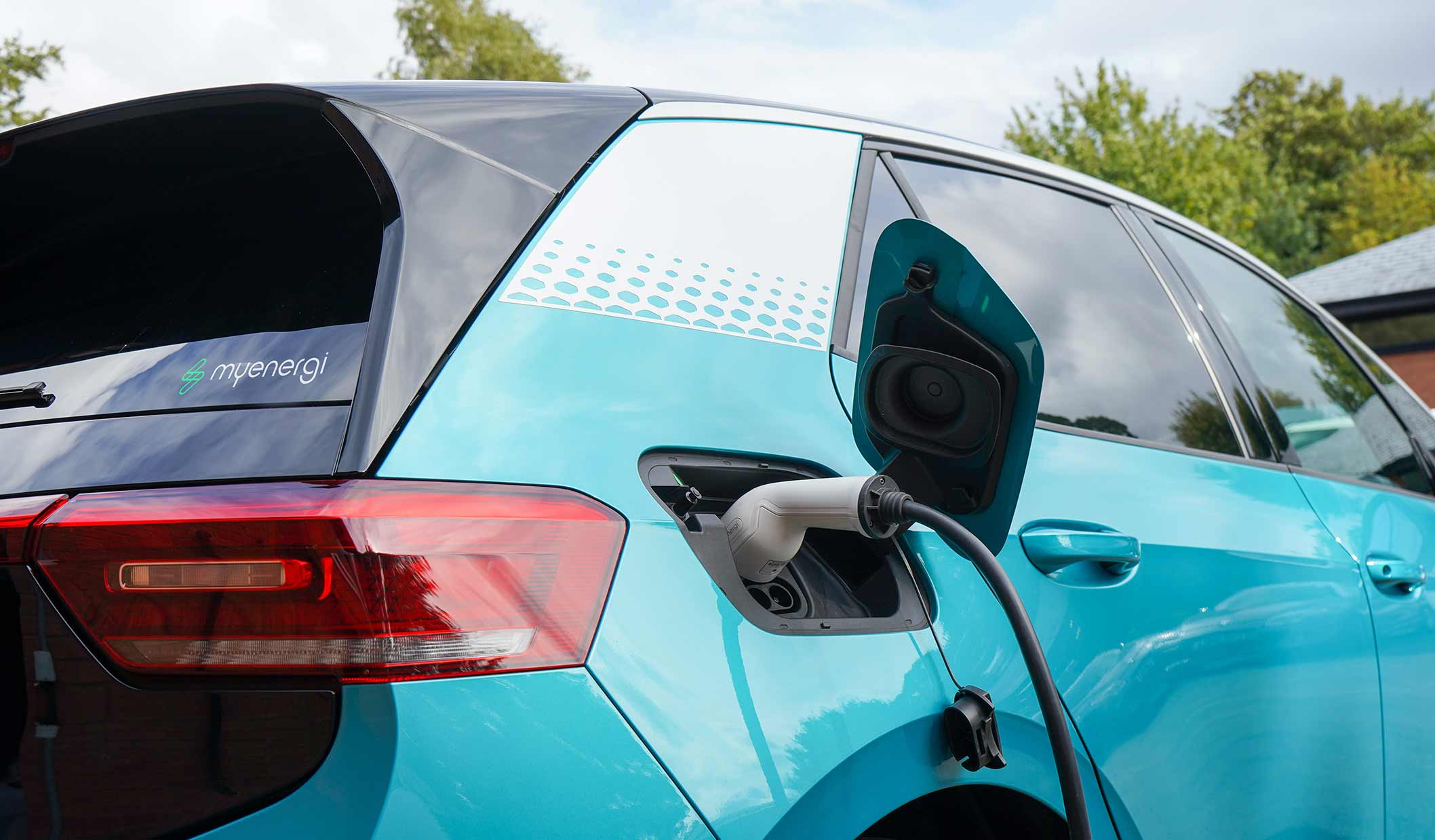
✅ Pros of Renewable Energy
1. Environmentally Friendly
Renewable energy sources like solar, wind, and hydro produce zero greenhouse gas emissions during operation, making them a much cleaner option than coal or natural gas. By switching to renewables, individuals and businesses can significantly reduce their carbon footprint.
2. Sustainable and Infinite
Unlike fossil fuels, which are finite and depleting, renewable energy sources are naturally replenished. The sun isn’t going anywhere anytime soon—and neither is the wind or water cycle.
3. Lower Operating Costs
While the upfront installation of renewable systems (like solar panels) can be significant, ongoing operating costs are typically much lower. In many cases, homeowners and businesses see a return on investment within a few years through savings on electricity bills.
4. Energy Independence
Producing your own power allows you to become less reliant on the grid. This can be particularly valuable during peak demand periods, power outages, or price surges.
5. Government Incentives
There are various rebates, tax incentives, and feed-in tariffs available for installing renewable energy systems, which can reduce your upfront investment and improve overall affordability.
❌ Cons of Renewable Energy
1. High Initial Costs
The initial cost of installing solar panels, wind turbines, or other systems can be expensive. For many homeowners or small businesses, the upfront investment may be a barrier.
2. Weather Dependent
Solar and wind energy depend on the availability of natural conditions. Cloudy days, still air, or seasonal shifts can reduce energy generation, making battery storage or backup systems essential.
3. Storage Challenges
To ensure reliable power supply, especially during non-productive hours, energy storage solutions like batteries are needed—but these can be costly and require maintenance.
4. Space Requirements
Some renewable systems, like wind turbines or large-scale solar farms, require significant land or roof space. This can be an issue for urban areas or older properties with limited room.
5. Intermittent Supply
Without proper planning, renewable systems can lead to intermittent power supply. This is especially critical in high-demand sectors like healthcare or commercial buildings, where reliability is non-negotiable.
Is Renewable Energy Right for You?
At Sombrilla Digital, we believe in smart, sustainable choices. While renewable energy isn’t a one-size-fits-all solution, the long-term benefits—environmental, economic, and ethical—are hard to ignore. If you’re considering a switch, it’s important to consult professionals who understand your property’s unique needs, energy demands, and budget.
Need Expert Advice?
We work closely with home and business owners to design energy-efficient electrical systems, including renewable energy integration, battery storage, and backup solutions. Whether you’re building from scratch or upgrading an existing setup, our team is here to help.
📞 Contact us today to learn how renewable energy could work for you.
Nam magna ex, accumsan id auctor sed, finibus a urna. Proin interdum feugiat viverra. Praesent sapien tortor, pulvinar rutrum purus at, tincidunt pretium dolor.


